
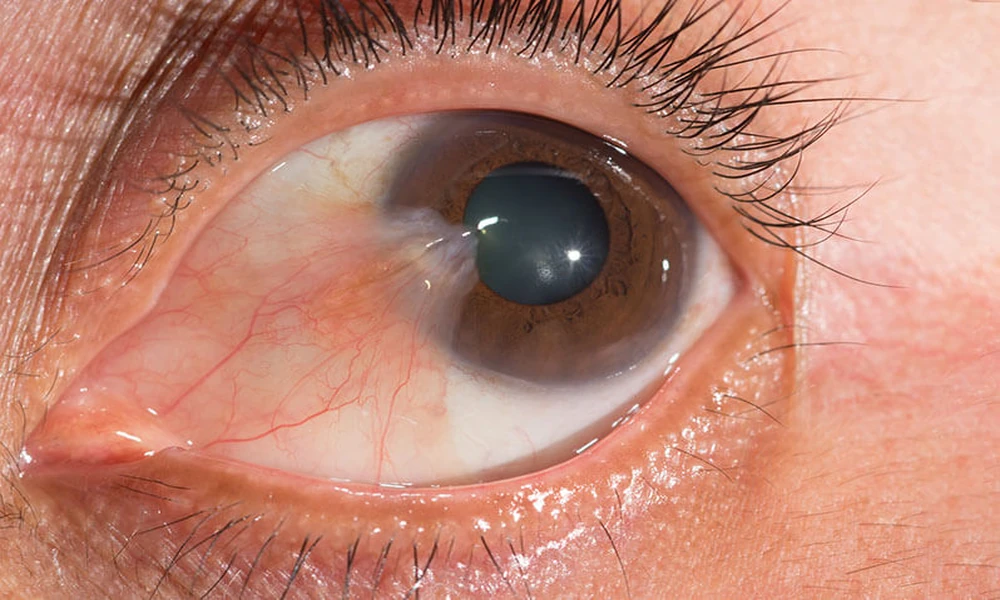
A small growth on the eye may seem harmless at first, but it can gradually affect comfort, appearance, and even vision if it continues to enlarge. Many people in Hawaii are unsure when treatment becomes necessary or whether surgery is the right choice. Understanding the condition before making a decision helps reduce uncertainty and supports better conversations with an eye care professional in . This article explains what pterygium is, when surgery may be recommended, what recovery involves, and the questions worth asking before treatment.
Understand When Surgery May Be the Right Choice
Pterygium treatment begins with understanding how the condition affects vision, comfort, and daily activities before deciding whether surgery is appropriate. Mild cases often respond to lubricating eye drops and UV protection, while larger growths may interfere with vision, change the shape of the cornea, or make contact lenses uncomfortable. Patients considering expert pterygium removal in Hawaii should have a comprehensive eye consultation to determine whether surgery is the most appropriate option. Early evaluation also helps identify other eye conditions that may affect treatment decisions.
Know What Happens Before the Procedure
A detailed eye examination allows the surgeon to evaluate the size, location, and progression of the pterygium. According to the National Eye Institute, comprehensive eye examinations help detect changes in eye health that may not cause noticeable symptoms in the early stages. During the consultation, patients also discuss their medical history, medications, and recovery expectations. These findings help determine whether surgery is appropriate and guide treatment planning.
Know What to Expect During Recovery
Pterygium surgery is usually performed as an outpatient procedure using local anaesthesia, allowing most patients to return home the same day. Prescription eye drops, follow-up visits, and temporary activity restrictions help protect the eye while it heals. Mild redness, irritation, or blurred vision may occur during the early recovery period, but these symptoms usually improve over time. Protecting the eyes from sunlight, dust, and wind after surgery also helps reduce the chance of recurrence.
How Expert Care Supports Better Outcomes
Experienced eye surgeons in Hawaii evaluate more than the visible growth before recommending treatment. They assess corneal involvement, overall eye health, lifestyle factors, and the likelihood of recurrence to develop a treatment plan suited to each patient. Patients considering expert pterygium removal in Hawaii should learn about the procedure, expected recovery, and available treatment options before scheduling a consultation. Professional guidance helps patients understand their choices and prepare for treatment with realistic expectations.
FAQ
1. Is pterygium surgery painful?
Most patients experience little discomfort during the procedure because local anaesthesia keeps the eye numb. Mild irritation or a scratchy sensation is common during the first few days of recovery and usually improves with prescribed eye drops.
2. How long does recovery usually take?
Many people return to normal daily activities within several days, although complete healing may take several weeks. Recovery time depends on the surgical technique used and how closely post-operative instructions are followed.
3. Can a pterygium return after surgery?
Yes. Recurrence is possible, but modern surgical techniques, regular follow-up care, and protecting the eyes from ultraviolet light can significantly reduce the risk. Following post-operative instructions and attending follow-up appointments support long-term healing.
Choosing pterygium surgery in Hawaii becomes easier when the decision is based on a clear understanding of the condition, available treatment options, and realistic recovery expectations. Reviewing reliable information, discussing concerns with an eye care professional, and learning what to expect before and after surgery can help patients feel more confident throughout the process. Careful preparation supports informed decisions and contributes to a smoother treatment experience.
