
Packaging for BPC-157 affects the condition of the material from when it leaves the supplier’s facility through arrival at the buyer’s laboratory and across the full storage period before use. A batch that passes all analytical release criteria at manufacture can arrive degraded if packaging fails to protect against moisture, temperature, and light during transit. Researchers using the Plasticsurgerykey BPC-157 guide as a reference for sourcing decisions often find packaging standards are the least documented aspect of supplier quality, yet they determine whether the quality confirmed on the batch certificate survives the journey between manufacture and use in the laboratory.
Primary container selection
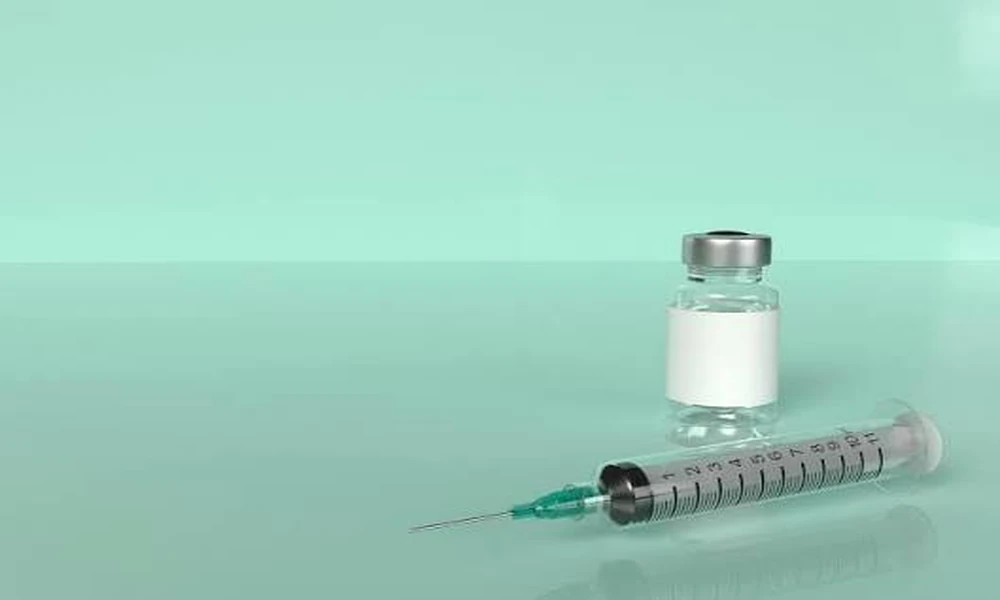
Type I borosilicate glass vials meet the most stringent chemical resistance requirements for pharmaceutical primary containers, with lower reactivity with vial contents and greater resistance to thermal shock during freeze-thaw cycles than soda-lime glass alternatives. Suppliers using polypropylene microtubes or standard plastic vials as primary containers for lyophilised BPC-157 are using materials with higher moisture vapour transmission rates than borosilicate glass, which accelerates moisture ingress during storage before secondary packaging moisture controls are even considered.
Vial closure integrity determines whether the sealed primary container maintains the low-moisture internal environment that lyophilised BPC-157 requires. Bromobutyl rubber stoppers crimped with aluminium seals provide low moisture vapour transmission and gas-tight sealing appropriate for extended storage at minus 20 degrees Celsius. Suppliers using plastic snap caps or non-crimped closures are using closure systems with higher moisture vapour transmission rates that compromise long-term stability even when the glass vial itself is appropriate for the application.
Amber glass protection
· Amber borosilicate glass attenuates ultraviolet and visible light transmission significantly relative to clear glass, reducing photodegradation throughout the storage period in conditions where complete light exclusion is impractical in a working laboratory.
· Protection from amber glass is cumulative across the full storage period rather than relevant only during initial days after manufacture, as oxidative degradation from low-level light exposure accumulates over weeks and months of storage even at low instantaneous intensities.
· Clear glass vials transfer responsibility for light-protected storage entirely to the buyer from the point of receipt, requiring active management that amber primary containers would handle passively throughout the product’s shelf life.
Secondary packaging requirements
Secondary packaging for BPC-157 shipments must address temperature control, mechanical protection, and moisture exclusion simultaneously. Temperature-controlled shipment using insulated packaging with appropriate coolant maintains the peptide below the temperature at which degradation rates become significant during transit. Dry ice is an appropriate coolant type for frozen shipments, whilst gel packs are an appropriate coolant type for refrigerated shipments, depending on the shipment’s transit duration, the ambient temperature along the route, and the thermal performance of the insulated packaging.
When a desiccant is included in a secondary package, moisture that enters via imperfect seals or during the transition between a temperature-controlled environment and an ambient environment during handling at transit points will be absorbed. Molecular sieve desiccants with a high moisture capacity at low relative humidity are more effective than silica gel when it comes to extended transit times. Their inclusion alongside coolant materials addresses both temperature and moisture variables that affect BPC-157 stability during shipping.
Temperature monitoring documentation
Temperatures are monitored throughout shipping containers by data loggers, indicating whether the material remained within the specified range for the entire journey rather than relying on the coolant type upon arrival for determining the appropriate conditions. Coolant still partially present in a shipment after a temperature excursion during transit can be detected through logger data in a way that visual inspection of packaging cannot.
The batch certificate, packing list, temperature monitoring records, and handling instructions provide buyers with everything they need to confirm shipment integrity, store materials correctly immediately upon receiving, and connect the material to analytical data documenting its quality.
