
You book the appointment, then the questions start. Will your child be scared? Is this too early, or already late? What if they cry, refuse to open their mouth, or hear the word “dentist” and shut down before you even leave the house? A lot of parents looking for children’s dental in Killeen carry that quiet stress into a child’s first visit, and it makes sense. Dental care feels simple until it involves a small child with big feelings.
The good news is that most worries about a pediatric dental visit have clear answers. Early visits are usually short, gentle, and focused on prevention. They help catch small issues before they turn into pain, missed school, trouble eating, or expensive treatment. If you have been putting it off because you were unsure what to expect, you are not behind. You just need a clearer picture of what happens and why it matters.
Parents often wonder when a child should first see a pediatric dentist
One of the most common concerns is timing. Many parents assume dental visits can wait until all the baby teeth come in or until a child is old enough to sit still. That delay is common, but it can create problems that are harder to fix later.
Children should usually see a dentist by their first birthday or within six months of the first tooth coming in. That first visit is less about treatment and more about building comfort, checking growth, and spotting early signs of decay. The CDC’s oral health tips for children stress early prevention because cavities can start sooner than many parents expect.
If your child drinks milk to sleep, uses a bottle often, snacks throughout the day, or fights brushing, an early visit matters even more. Tooth decay in baby teeth can move fast, and those teeth hold space for adult teeth. When they are lost too early, bite and alignment problems can follow.
Many parents worry about what happens during pediatric dental visits
The fear is usually not about the exam itself. It is about the unknown. You may be picturing bright lights, sharp tools, and a child in tears. For most young children, the first appointment is much calmer than that.
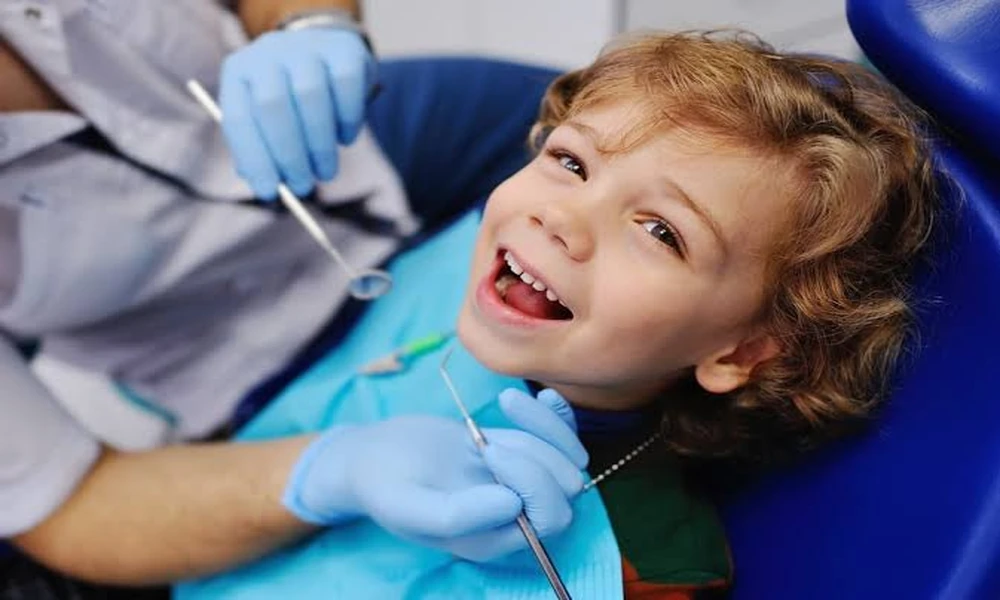
A pediatric dentist often starts by helping your child get used to the room, the chair, and the sounds. The exam may include counting teeth, looking at the gums, checking the bite, and watching for signs of decay or habits like thumb sucking. Depending on your child’s age and comfort, the visit may also include a gentle cleaning or fluoride treatment.
If your child cries, that does not mean the visit failed. It means they are little, unsure, and learning. Pediatric dental teams expect that. A good visit is not measured by perfect behavior. It is measured by whether your child is cared for safely and whether you leave with a plan.
Concerns about cavities and cost often show up together
Parents often ask if baby teeth really need that much attention since they fall out anyway. They do. Cavities in baby teeth can hurt, affect sleep, change eating habits, and lead to infection. A child with tooth pain may stop chewing on one side, avoid cold foods, wake at night, or become fussy without being able to explain why.
There is also the financial side. Preventive care is almost always less expensive than restorative treatment. A routine visit can catch white spots, weak enamel, or early decay before they turn into fillings, crowns, or urgent visits. That is one reason regular children’s dental visits matter.
National data also shows that dental visits are part of normal health care for children, not an extra. The CDC’s dental visit data tracks how often children and adults receive dental care, which helps show how preventive care fits into overall health patterns.
Preparation and prevention change the experience
Parents often ask what they can do before the appointment. Preparation helps, but overexplaining can backfire. If you tell a nervous child, “It won’t hurt,” they may assume pain is expected. Simple language works better. Try, “The dentist will count your teeth and help keep them strong.”
It also helps to book the visit at a time when your child is usually rested and fed. A toddler with a missed nap is less likely to cooperate. Bring comfort items if needed. Be calm, even if you are not feeling calm. Children read your face before they hear your words.
| Parent Concern | What Usually Helps | What Can Happen If You Wait |
|---|---|---|
| “My child is too young” | First visit by age 1 or within 6 months of the first tooth | Early decay may go unnoticed |
| “They will be scared” | Short visit, simple language, familiar comfort item | Fear can grow if the first visit happens during pain |
| “Baby teeth do not matter much” | Early exams, fluoride, daily brushing guidance | Pain, infection, trouble eating, spacing issues |
| “We can wait until there is a problem” | Routine checkups with a pediatric dentist | More treatment, more stress, higher cost |
Small steps make a pediatric dentist visit easier
Use simple, neutral words. Tell your child the dentist will look at their teeth and help keep their mouth healthy. Avoid promising rewards for “being brave” if that makes the visit sound scary in advance.
Build a routine before the appointment. Brush twice a day with a fluoride toothpaste amount that fits your child’s age, limit frequent sugary snacks, and offer water between meals. A child who is used to mouth care at home often handles a dental exam more easily.
Write down your questions first. Ask about thumb sucking, fluoride, sealants, brushing battles, mouth breathing, or grinding at night. A kids dental appointment is not just for checking teeth. It is also your chance to get practical guidance for daily life.
Clear answers make the next visit feel lighter
You do not need to handle every part of your child’s dental care perfectly to get this right. You need a starting point, a plan, and a provider who knows how to work with children kindly and clearly. Early care lowers stress because it replaces guesswork with routine. That helps your child, and it helps you too.
If your child is due for a visit, schedule an appointment with a pediatric dentist and get ahead of problems before they become painful or expensive.
