
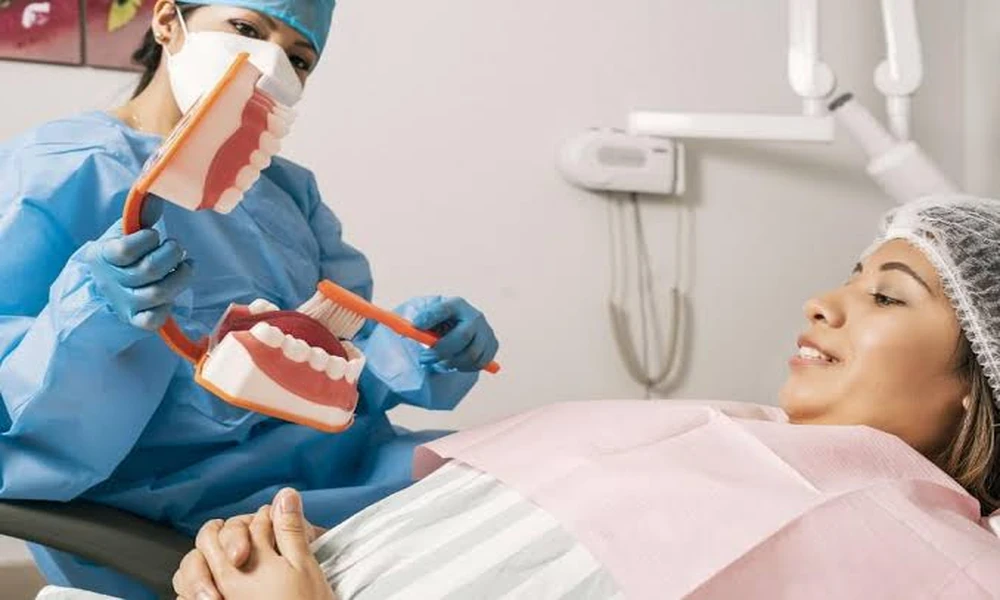
You already have enough to manage when you live with a chronic condition. Medications, appointments, lab work, insurance, diet changes, sleep, stress. Dental visits can slide down the list, not because you do not care, but because there is only so much time, money, and energy to go around. That is exactly why preventive dental care matters, especially when working with a dentist in Barlett, IL. Small problems in your mouth can turn into larger health issues faster when your body is already working harder.
If you have diabetes, heart disease, an autoimmune disorder, or another long term condition, your oral health is not separate from the rest of your health. Gum inflammation, dry mouth, slow healing, and infection can all become more serious. Regular cleanings, exams, and early treatment help catch trouble before it becomes painful, expensive, or harder to control.
Chronic conditions can make dental problems harder to ignore
A healthy mouth depends on balance. Saliva protects teeth, gums need a strong immune response, and the body has to heal well after irritation or infection. Chronic illness can disrupt all of that. Diabetes is one of the clearest examples. Blood sugar that runs high can raise the risk of gum disease, and gum disease can make blood sugar harder to manage. The CDC explains the link between diabetes and oral health in direct terms, and the connection is stronger than many patients realize.
You may notice bleeding when you brush and think it is minor. You may deal with dry mouth from medication and assume it is just annoying. You may postpone a cleaning because nothing hurts yet. That is often how bigger problems start. Plaque builds, gums stay inflamed, decay moves deeper, and a treatable issue turns into a root canal, extraction, or infection that affects eating and sleep.
People with chronic conditions also run into practical challenges that make prevention harder. Fatigue makes routines slip. Limited mobility can make brushing and flossing more difficult. Some medications cause dry mouth, mouth sores, or overgrown gum tissue. If you wear a CPAP, use inhalers, or follow a restricted diet, your mouth may feel the effects every day.
The National Institute of Dental and Craniofacial Research notes that people with diabetes face a higher risk of gum disease, fungal infections, and delayed healing. That matters because oral infections do not stay neatly contained. They create stress on the body, and when your system is already dealing with a chronic illness, that extra strain can hit harder.
Preventive dentistry for chronic illness lowers risk before treatment gets complicated
Prevention is not just a cleaning every six months. It is a pattern of catching change early. A general dentist can spot gum inflammation, enamel wear, recession, cavities, bite problems, oral infections, and signs of dry mouth before they become severe. That means simpler treatment, lower cost, and less disruption to your health routine.
Think about what happens when a small cavity is found early. It may need a filling. Leave it alone long enough and it can turn into nerve pain, swelling, missed work, antibiotics, and a more invasive procedure. The same pattern shows up with gum disease. Early gingivitis often improves with professional cleaning and better home care. Advanced periodontal disease can lead to bone loss, loose teeth, and ongoing inflammation.
For patients with diabetes, the NIDDK outlines how gum disease and dental problems can affect blood sugar control. That is one reason oral health prevention for chronic disease is not a side issue. It is part of staying stable.
Preventive care usually costs less than delayed dental treatment
Many people put off dental care because they are trying to avoid another bill. That makes sense, especially if you already have regular medical costs. The hard truth is that delay often costs more. Preventive visits are usually predictable. Emergency care is not. Pain tends to arrive at the worst time, and urgent treatment can mean more appointments, more time off, and fewer options.
| Situation | Preventive Approach | Delayed Approach |
|---|---|---|
| Bleeding gums | Cleaning, exam, improved home care, early gum treatment | Progression to periodontal disease, deeper cleanings, bone loss risk |
| Dry mouth from medication | Saliva support, fluoride, product changes, close monitoring | Higher cavity risk, mouth sores, trouble eating, tooth breakdown |
| Small cavity | Simple filling | Root canal, crown, extraction, infection risk |
| Diabetes related gum inflammation | Regular periodontal checks and cleanings | Worsening inflammation that may make blood sugar harder to manage |
Preventive dentistry matters for patients with chronic conditions because it protects more than teeth. It can reduce avoidable pain, help preserve nutrition, and support the daily routines that already take so much effort to maintain.
Simple steps can make preventive dental care easier to keep up
1. Schedule dental visits around your health reality.
If mornings are when your energy and blood sugar are more stable, ask for early appointments. If mobility or transportation is a problem, plan ahead before you are in pain. Tell the office about your diagnosis, medications, and anything that makes treatment harder. A general dentist can adjust care when they understand the full picture.
2. Build a mouth care routine that fits your condition.
Brush twice a day with fluoride toothpaste, clean between teeth daily, and address dry mouth instead of pushing through it. If arthritis makes flossing hard, use floss picks or a water flosser. If medications leave your mouth dry, ask about saliva substitutes, fluoride rinses, and other protective options. The best routine is the one you can actually keep.
3. Act on small symptoms early.
Bleeding gums, bad breath that does not go away, mouth sores, tooth sensitivity, and a dry or burning mouth deserve attention. You do not need to wait for severe pain to call. Early treatment is usually easier on your body and your budget.
Consistent dental prevention supports your whole health
When you live with a chronic condition, every part of your care plan matters more. Your mouth is part of that plan. Preventive visits help you stay ahead of infection, inflammation, and tooth damage before they start affecting the rest of your life. If keeping up with dental care has felt hard, that does not mean you have failed. It means your health needs a plan that is realistic and steady.
Schedule your next visit with a general dentist and make prevention one less problem to worry about.
