
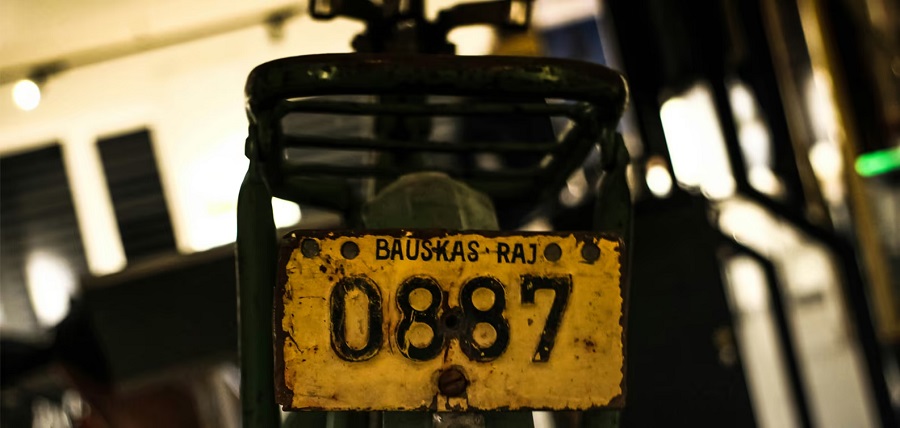
License plates are more than registration tools. In the United States, they also carry history, design trends, regional identity, and collector appeal. What looks like an ordinary metal plate at a garage sale or estate auction can sometimes be worth far more than expected. Collectors pay attention to rarity, condition, design, issue period, and the story behind a plate. For sellers, that means value is not always obvious at first glance. For buyers, it means the best finds often come from knowing what details matter before a plate ever reaches a marketplace.
A specialist at ShopLicensePlates notes that many people search for us license plates for sale without realizing that the most desirable examples are not always the oldest ones. Plates become collectible for many reasons, including short production runs, unusual graphics, low surviving numbers, and strong demand from hobbyists looking for specific states, years, or plate types. Careful identification is usually what separates a common souvenir from a serious collectible.
The five methods below offer a practical framework for spotting value before you buy, sell, or store a plate away in a box. While no single rule guarantees a high price, these signs consistently help collectors and dealers identify the plates with the strongest market potential.
Check Rarity First, Not Just Age
Many people assume the oldest plate is automatically the most valuable. In practice, rarity usually matters more than age alone. A plate from the 1910s may sound impressive, but if many examples survived and collector demand is limited, its price may stay moderate. On the other hand, a later plate from a short-lived series may attract stronger interest because far fewer examples remain in collectible condition.
Rarity can come from several sources. Some plates were issued for only one year. Others came from special programs with low registration numbers, such as dealer plates, government series, early motorcycle issues, or temporary specialty designs that did not last long. A state may also have changed materials, slogans, plate sizes, or color formats, creating narrow windows of production that are now hard to find. Plates from territories, defunct counties, university programs, or local testing runs can also stand out in the collector market.
Serial numbering can offer clues as well. Very low numbers often draw attention, especially when they belong to early plate formats or carry a clean, symmetrical look. Plates with repeating digits, all-number patterns, or memorable combinations can gain value even when the base issue is not extremely old. That is especially true for collectors who focus on display appeal as much as historical significance.
Survival rate is another important factor. Some states issued plates in materials that rusted easily or used paint that failed over time. If most examples from a series were discarded, damaged, or recycled, the few remaining plates may become significantly more desirable. This is one reason why two plates from the same year can have very different prices depending on state, issue type, and how often that exact design appears in the market.
The most practical habit is to compare what you have against known patterns of scarcity. A plate that rarely appears in auctions, dealer inventories, or collector groups may deserve closer attention. Sellers often make the mistake of pricing only by age, while experienced buyers focus on how often a comparable example can realistically be found. In license plate collecting, a difficult plate in a mid-century series can easily outperform a more common antique example.
Study Condition Like a Dealer Would
Condition has a direct effect on value, and in many cases it can determine whether a plate appeals to advanced collectors at all. A rare plate with major flaws may still sell, but strong condition usually expands the pool of interested buyers and increases final price. This is especially true for collectors building date runs, state sets, or high-grade displays where visual consistency matters.
The first thing to examine is paint. Original paint is usually preferred over restoration, especially on older plates. Collectors want even color, solid gloss when appropriate, and readable contrast between background and characters. Fading, repainting, overcleaning, and amateur touch-ups can reduce value because they change the plate’s original appearance. Even a well-intended restoration may be viewed with caution if it is not clearly disclosed.
Next, look at the metal itself. Bends, extra holes, deep rust, cracking around mounting points, and surface corrosion all matter. Plates were made to live outside in difficult conditions, so damage is common. Minor wear may be acceptable for scarce issues, but major structural problems often limit value. A plate that displays cleanly from a normal viewing distance will generally perform better than one with heavy warping or severe paint loss.
Embossing is another area to inspect. Raised characters should be sharp and undistorted. Flattened numbers, hammer marks, or signs of re-embossing can hurt collectibility. Some buyers will accept gentle age wear, but they usually avoid plates that appear altered, heavily repaired, or pieced together from multiple parts.
Collectors also pay attention to originality in attachments and markings. Registration stickers from the correct year can sometimes add interest, especially if they are period-accurate and undisturbed. At the same time, later stickers placed over original surfaces may hide damage or confuse the issue date. Frames, bolts, and backing materials do not usually add value unless they are historically relevant and clearly associated with the period.
A useful test is to ask whether the plate still presents as authentic and attractive. High-end collectors are often buying both history and visual appeal. That is why a common but exceptionally clean plate may outsell a rarer example in rough shape. Condition is not separate from value; it is one of the main reasons value rises or falls. Anyone hoping to identify worthwhile plates should train their eye on small defects early, because those details affect pricing more than many casual sellers expect.
Understand the Design Features Collectors Actually Want
License plates are collectible objects, and design plays a larger role than outsiders often realize. People do not only collect by year or state. Many buy plates because they like a certain graphic style, slogan, color combination, or period-specific look. A plate with strong visual identity often generates broader demand than one that is historically similar but less distinctive.
State graphics are a major driver. Plates with unique typography, embossed state names, unusual borders, or memorable slogans can stand out immediately. Certain designs become iconic because they reflect a specific era in American culture, such as mid-century tourism campaigns, bicentennial themes, early reflective formats, or distinctive scenic backgrounds. Collectors who display plates on walls or in themed rooms often prioritize how a plate looks from across the room, not just how old it is.
Short-lived design shifts can be especially valuable. If a state introduced a color scheme for only one or two years before changing course, collectors may treat that design as a key issue. The same is true of plates that mark anniversaries, world’s fairs, state milestones, or transitional moments between plate sizes and production methods. These are the pieces that often get noticed quickly by knowledgeable buyers.
Specialty and non-passenger issues also deserve attention. Dealer plates, farm plates, exempt government plates, bus plates, trailer plates, and motorcycle plates can all carry collector interest when the design differs clearly from regular passenger issues. Even when the overall market is smaller, these categories may command strong prices because specialized collectors are often willing to pay for difficult pieces that complete a set.
Typography and number layout matter too. Some collectors actively seek short-number plates, all-numeric formats, county-coded issues, or plates with centered configurations that display neatly. Others want unusual spacing, early stacked numbers, or plates that preserve the visual character of a certain region. This is one reason that not every plate from the same issue is worth the same amount. Within one series, certain number patterns or layout variations can attract far more interest than the standard run.
The key point is simple: value often grows where design and scarcity meet. A rare plate that also looks striking has multiple advantages. It appeals to historians, set builders, and display collectors at the same time. When evaluating a plate, do not treat design as decoration alone. In this hobby, visual character is often part of the reason a plate becomes worth preserving in the first place.
Know the Difference Between Historical and Novelty Interest
Not every attractive or unusual plate has serious collector value. One of the most useful skills is separating genuine historical importance from novelty appeal. A plate may look old, feature an unusual phrase, or come from a distant state, yet still trade at modest levels because it was produced in large numbers or marketed mainly as a souvenir. Conversely, a plain-looking official issue may be much more valuable because it fills a difficult gap in a long-established collection category.
Historical value usually comes from official issuance, limited survival, and a place within recognized collecting systems. Many hobbyists build collections by state, year, plate type, or material era. A plate that fits one of those systems cleanly will usually have more stable demand. For example, official annual passenger plates from states with complex year-by-year changes tend to retain broad collector interest. So do plates tied to discontinued manufacturing methods or early registration periods.
Novelty plates, reproductions, and decorative pieces can still sell, but usually for different reasons. Their price often depends more on interior décor trends, gift demand, or pop culture than on collector scarcity. Reproduction gas station or route-themed plates may look appealing on a wall, but they do not belong to the same category as a verified original issue. The same caution applies to commemorative pieces sold through tourist shops or recent decorative runs with no registration history.
This distinction matters because some sellers confuse desirability with rarity. A plate can attract attention online and still have limited long-term value if thousands of similar examples are available. At the same time, a historically significant issue may look ordinary to a casual buyer and therefore be undervalued in local sales. That gap is where knowledgeable collectors often find their best opportunities.
Documentation can help clarify the difference. Original registration paperwork, state-issued envelopes, matching year tabs, or provenance from long-held collections can strengthen confidence that a plate is authentic and historically relevant. Without that context, buyers may hesitate, especially when a plate resembles known reproductions or heavily restored examples.
For anyone evaluating finds from flea markets, antique stores, or online listings, the safest approach is to ask a basic question: was this plate made for actual road use, or mainly for display and novelty appeal? The answer shapes the market. Genuine official plates with clear historical placement usually have stronger collector foundations than decorative items, even when the novelty item looks flashier at first glance.
Learn How Market Demand Changes by State, Type, and Buyer
A plate’s value is never determined by its physical traits alone. Demand completes the picture. Some plates are objectively scarce but still sell slowly because only a small number of collectors want them. Others have wide appeal because they fit multiple collecting interests at once. Understanding who buys license plates, and why, is one of the clearest ways to identify pieces with real potential.
State demand varies considerably. States with large collector bases, long registration histories, iconic designs, or strong regional identity often generate more competition. California, New York, Texas, Pennsylvania, and Florida tend to attract broad interest, but smaller states and territories can also perform well when older issues are hard to locate. Plates from Alaska, Hawaii, Puerto Rico, and Washington, D.C. sometimes benefit from geographic distinctiveness that makes them appealing beyond local collectors.
Plate type influences demand just as much. Passenger plates usually bring the broadest audience because they fit standard state-and-year collections. However, specialized buyers can drive impressive prices for difficult motorcycle, dealer, porcelain, or commercial issues. The market is rarely uniform. A common passenger plate from one year may sell for less than a scarce truck plate from the same state because the latter is missing from many advanced collections.
Buyer motivation also matters. Some collectors are historians focused on registration development. Others are designers, decorators, automotive enthusiasts, or nostalgia buyers looking for birth years, hometown states, or plates that match a classic car display. This mix creates overlapping layers of demand. A plate with a visually strong design, a meaningful year, and a scarce issue type has more ways to attract interest than a plate that checks only one box.
Seasonality and sales venue can change outcomes too. A plate sold at a local market may be overlooked by general antique shoppers, while the same piece could perform much better in a specialized collector auction. Online exposure has expanded access to buyers, but it has also made comparison easier, which means ordinary examples are priced more efficiently than before. That increases the importance of accurate identification. When people browse listings for us license plates for sale, the plates that stand out are usually those with either clear rarity, exceptional condition, or a collector story that is immediately understandable.
The strongest approach is to think in terms of market fit. Ask who would want the plate, what category it belongs to, and whether similar examples appear often. Value is highest where rarity meets active demand. A plate that is merely uncommon may sit for months. A plate that is uncommon and meaningful to several types of buyers usually moves faster and commands better money.
Putting the Five Signs Together Before You Buy or Sell
The most valuable license plates rarely announce themselves. They are identified through a combination of clues: rarity, condition, design, historical legitimacy, and market demand. Looking at only one of those factors can lead to mistakes. An old plate may not be rare. A rare plate may not be desirable if condition is poor. A striking design may still be common. A specialized issue may be historically important but require the right buyer. The real skill lies in weighing all five signs together.
For sellers, that means slowing down before assigning a quick price. A plate pulled from a barn, old garage, or estate box should be examined carefully for date, state, type, numbering, paint quality, and originality. Research should focus on comparable pieces, not just broad assumptions about age. A seller who recognizes an unusual issue type or a short production design has a much better chance of placing the plate in front of the right audience.
For buyers, the same five-part test can prevent overpaying for decorative pieces that have little collector depth. It can also help identify opportunities when a genuine historical plate is listed casually and described poorly. Many worthwhile finds still come from incomplete descriptions, low-quality photos, or sellers who do not realize that a seemingly ordinary variation matters to collectors.
License plate collecting remains attractive because it combines history, design, regional culture, and the thrill of discovery. The field rewards careful observation more than impulse. Whether you collect one state, all states, porcelain issues, motorcycles, or only visually striking examples, the smartest purchases usually come from understanding how value is built.
A good plate is not just old metal with numbers on it. It is an object with context. Once you learn to read that context, the market starts to make much more sense. And that is usually when the best pieces stop looking random and start looking valuable.
