
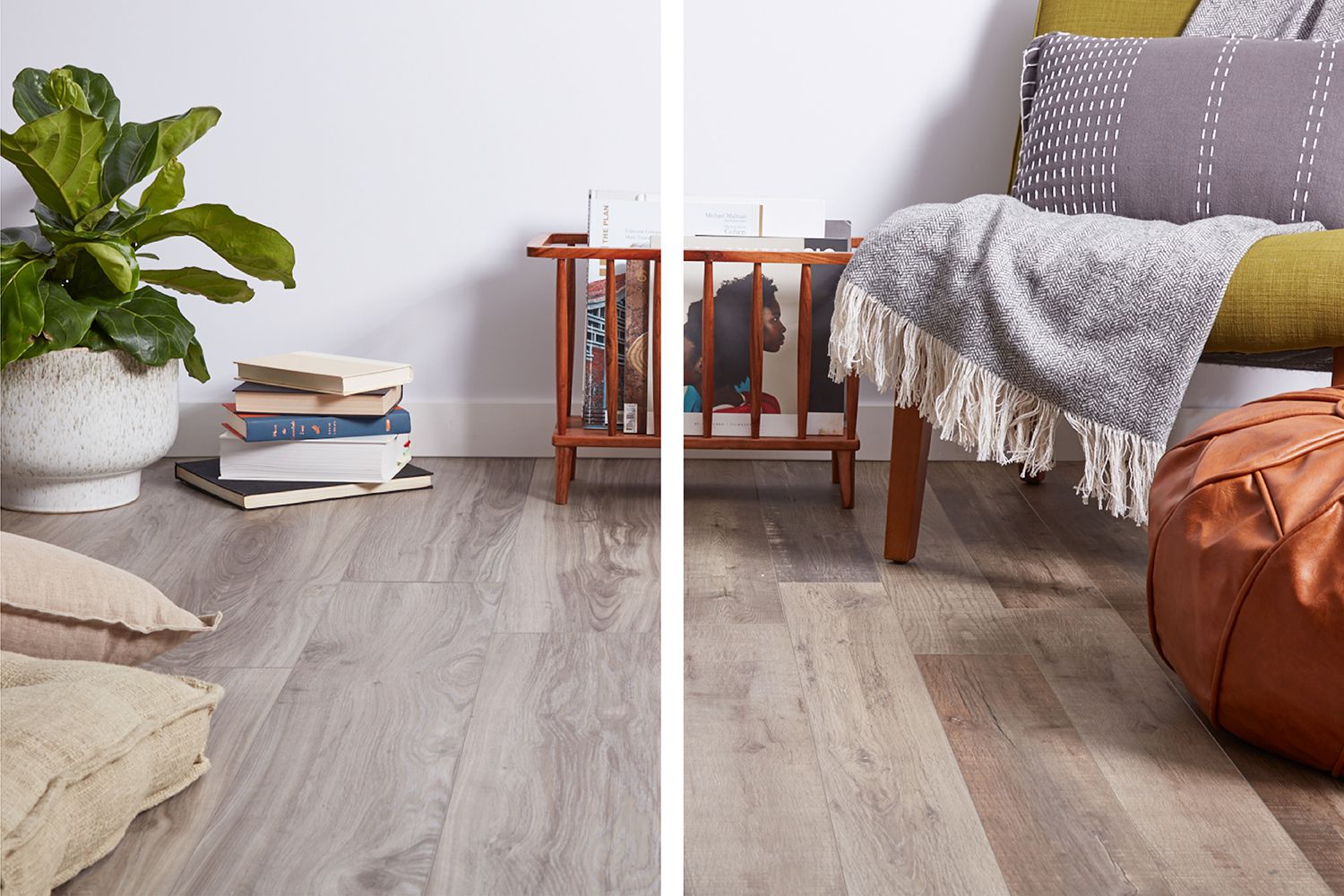
As sustainability takes center stage in home design, eco-conscious flooring is becoming a priority for homeowners who want to minimize their environmental impact—without sacrificing style. Fortunately, modern eco-friendly flooring options combine aesthetics, durability, and low environmental footprints, making it easier than ever to create beautiful spaces that are kind to the planet.
Whether you’re renovating a home or designing from scratch, here are seven stylish and sustainable flooring options that align with green living values.
Bamboo Flooring: Fast-Growing and Ultra-Chic
Why it’s eco-friendly:
Bamboo is a rapidly renewable resource, reaching maturity in just 3–5 years (compared to decades for traditional hardwoods). It regenerates naturally and doesn’t require replanting.
Style benefits:
Bamboo flooring has a sleek, modern look and is available in a variety of tones—from light blonde to rich caramel. Its natural grain adds a touch of sophistication to both traditional and contemporary interiors.
Keep in mind:
Not all bamboo is created equal. Look for products that are FSC-certified and use non-toxic adhesives to avoid harmful VOCs (volatile organic compounds).
Cork Flooring: Soft, Sound-Absorbing, and Sustainable
Why it’s eco-friendly:
Harvested from the bark of the cork oak tree without harming the tree itself, cork is a renewable material that can be stripped every 9–12 years. It’s also biodegradable and recyclable.
Style benefits:
Cork flooring has a unique texture and provides a soft, warm underfoot feel. It’s naturally antimicrobial, making it ideal for allergy sufferers and eco-conscious families.
Keep in mind:
Cork can fade in direct sunlight and may dent under heavy furniture. Sealants help protect its surface and increase longevity.
Reclaimed Wood: Rustic Character with a Story
Why it’s eco-friendly:
Reclaimed wood is salvaged from old barns, factories, and demolished buildings. Using it keeps valuable materials out of landfills and reduces the demand for newly harvested lumber.
Style benefits:
Each plank of reclaimed wood tells a story through its natural imperfections, nail holes, and weathered grain. It’s a favorite for rustic, farmhouse, and industrial aesthetics.
Keep in mind:
Make sure the wood has been properly treated and tested for toxins like lead-based paint, especially when repurposed from older structures.
Linoleum: The Forgotten Natural Wonder
Why it’s eco-friendly:
Made from natural materials like linseed oil, cork dust, and wood flour, linoleum is biodegradable and can last up to 40 years with proper care.
Style benefits:
Often mistaken for vinyl, modern linoleum comes in a wide range of colors and patterns. It’s a fantastic option for vibrant, retro-inspired designs or minimalist interiors.
Keep in mind:
Linoleum is making a comeback—ensure you’re buying true linoleum and not synthetic vinyl if sustainability is your goal.
Recycled Tile: Artful and Earth-Friendly
Why it’s eco-friendly:
Glass and ceramic tiles made from post-consumer or post-industrial waste divert materials from landfills and reduce raw material consumption.
Style benefits:
Recycled tiles come in a stunning variety of colors, shapes, and finishes. They’re perfect for bold accent flooring or eco-chic bathrooms and kitchens.
Keep in mind:
Tile is best for moisture-prone areas, and its hard surface may not be ideal for rooms where comfort underfoot is a priority.
Concrete Flooring: Industrial Edge with Longevity
Why it’s eco-friendly:
Using existing concrete slabs as finished flooring avoids additional materials altogether. Concrete is long-lasting and doesn’t need to be replaced for decades.
Style benefits:
Polished concrete delivers a modern, industrial look and can be tinted, stained, or textured for added personality. It works beautifully in lofts and open-concept homes.
Keep in mind:
Concrete can feel cold and hard, so it may not be ideal for every room. Area rugs and radiant heat systems can help balance comfort and warmth.
Wool Carpet: Naturally Renewable and Cozy
Why it’s eco-friendly:
Wool is a natural, renewable fiber that biodegrades quickly. It’s also naturally flame-resistant and doesn’t release harmful chemicals.
Style benefits:
Wool carpets add softness and insulation, available in both neutral tones and rich colors. They’re ideal for bedrooms and living areas where comfort is key.
Keep in mind:
Choose wool carpets that are free of synthetic backing and dyes. Look for eco-certifications like CRI Green Label Plus or GoodWeave.
How to Choose the Right Eco-Friendly Flooring for You
When selecting sustainable flooring, consider these factors:
Certification: Look for FSC, Greenguard, or FloorScore certifications for assurance of sustainability and low chemical emissions.
Durability: Eco-friendly doesn’t mean fragile. Choose flooring that will last for years to reduce waste.
Maintenance: Low-maintenance options reduce the need for harsh cleaning products.
Local sourcing: Materials sourced locally have a smaller carbon footprint due to reduced transportation.
Final Thoughts
Eco-friendly flooring Dubai isn’t just a trend—it’s a responsible lifestyle choice that blends beautiful design with environmental awareness. Whether you’re drawn to the rustic charm of reclaimed wood, the chic simplicity of bamboo, or the colorful possibilities of recycled tile, there’s a sustainable flooring solution that fits your space and values.
